

In today’s fast-changing world, our choices as consumers matter more than ever. Each time we buy something, we are not just purchasing an item. Instead, we are shaping economies, influencing cultures, and even impacting the planet. This is why the rise of handmade businesses is so important.
Handmade goods are more than simple products. They connect us to people, traditions, and sustainability. In a world where mass-produced items dominate store shelves, supporting small handmade businesses has become both meaningful and necessary. Let’s explore why this matters on a global scale.
1. Strengthening Local Economies
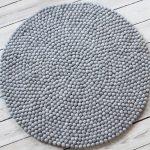
Small handmade businesses are often run by families, communities, or artisan groups. When you choose their products, your money stays close to the maker rather than flowing to multinational corporations.
- More jobs: Local artisans reinvest their earnings into schools, healthcare, and markets.
- Economic resilience: Handmade businesses can adapt faster to changes than large supply chains, which often collapse during global crises.
👉 For example, during the pandemic, many artisans shifted to selling online. As a result, they kept their families afloat while also sharing unique products with global customers.eir families afloat while also bringing unique products to global customers.
2. Preserving Culture and Tradition
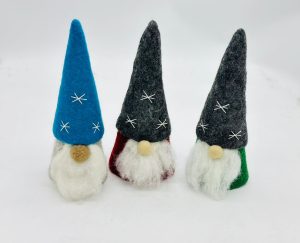
Every handmade item carries a story. From Nepalese felt-making to Italian leathercraft or Japanese ceramics, handmade businesses keep traditions alive.
- Cultural heritage: Each piece reflects history, identity, and artistry.
- Artisan pride: Makers find purpose in preserving their craft while adapting it for modern use.
👉 Imagine this: owning a felt rug that is not just a home accessory but also a piece of Nepalese artistry. It connects you to a culture thousands of miles away—something no factory can ever replicate.Imagine owning a felt rug—not just a home accessory, but a piece of Nepalese artistry that links you to a culture thousands of miles away. That’s something no factory can replicate.
3. Sustainability in Action
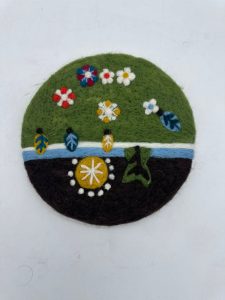
The world is waking up to the damage caused by fast fashion and mass production. Handmade products take a different path: they are often eco-conscious and sustainable.
- Natural materials: Felt, wood, bamboo, clay, and recycled fabrics are common.
- Minimal waste: Small-batch production reduces excess inventory and waste.
- Lower carbon footprint: Products are not shipped in massive, fuel-heavy quantities.
👉 At FeltHub, we use natural wool felt to create eco-friendly rugs, coasters, and pet caves. In this way, we reduce reliance on plastics and synthetic fibers.
4. Quality Over Quantity
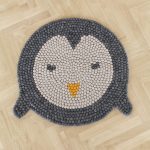
Mass-produced items are often designed to be replaced quickly, fueling a cycle of waste. Handmade products, on the other hand, are usually built to last.
- Durability: A handmade felt rug or bag can serve you for years.
- Unique character: Every item is slightly different, adding charm and authenticity.
- Mindful shopping: Buying fewer, better products is becoming the smarter global trend.
👉 Therefore, the shift to quality over quantity is part of the slow living and minimalist movements that are now embraced worldwide.
5. Building Human Connection

In today’s digital and impersonal world, handmade goods bring back human connection.
- Knowing the maker: Buyers often learn about the artisan behind the piece.
- Storytelling value: You are not just buying a coaster—you are supporting a felt artisan in Nepal.
- Emotional meaning: These connections make handmade items far more valuable than factory-made products.
👉 As a result, people feel good about their purchases, and supporting small businesses becomes a joyful act.
6. Empowering Women and Marginalized Communities
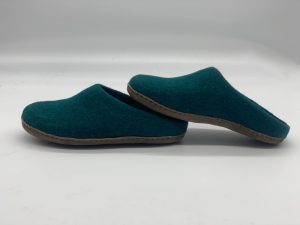
Globally, many handmade businesses are led by women or marginalized groups. Supporting them goes beyond economics—it creates empowerment.
- Women artisans: Many gain financial independence and a stronger voice in their community.
- Rural opportunities: Artisans in remote areas can now reach global buyers through e-commerce.
- Fair trade principles: Customers reduce exploitation by choosing ethical sources.
👉 For instance, felt-making in Nepal is often a women-led craft. Consequently, it provides steady income and independence to hundreds of families.
7. The Bigger Picture: Shaping the Future

When millions of people choose handmade, it signals a demand for sustainable, ethical, and human-centered economies. This demand pushes big corporations to rethink their practices.
Supporting handmade businesses isn’t just about shopping. Instead, it’s about:
Empowering real people—not corporations.
Fighting overconsumption.
Protecting the environment.
Keeping cultures alive.
Conclusion
Supporting small handmade businesses is one of the simplest yet most impactful choices we can make. Every purchase is a vote—for sustainability, for culture, for fairness, and for humanity.
👉 At FeltHub, we are proud to be part of this movement. Our handmade felt rugs, decor, and pet items are crafted with love and care by skilled artisans in Nepal. Therefore, by choosing handmade, you are not just decorating your home—you are helping build a brighter, more sustainable future.
Want to explore more? Visit our full collection: FeltHub Products.
External Resource
Learn more about the global impact of small businesses from the World Bank SME Report.
Hi, this is a comment.
To get started with moderating, editing, and deleting comments, please visit the Comments screen in the dashboard.
Commenter avatars come from Gravatar.